Henry Joseph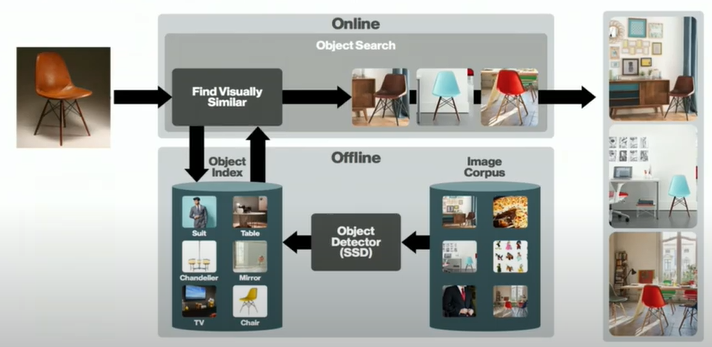
Have you ever found an old photo in a drawer and wondered where it was taken? Or maybe you saw a beautiful flower in a park and wished you knew its name. In the past, you would have to describe these things in a search box and hope for the best. Today, technology has changed the game. Now, you can simply ask, “what is depicted in the image above?” by using visual search tools. These smart programs look at the shapes, colors, and patterns in a picture to tell you exactly what you are seeing. It is like having a tiny expert living inside your phone!
Using visual search is not just for fun; it is a powerful way to learn about the world around you. Whether you are shopping for a new chair or trying to translate a menu in a foreign country, your camera is now a bridge to endless information. In this article, we will explore how these tools work and how they can help you solve the mystery of any picture.
How Visual Search Solves the Mystery of Your Photos
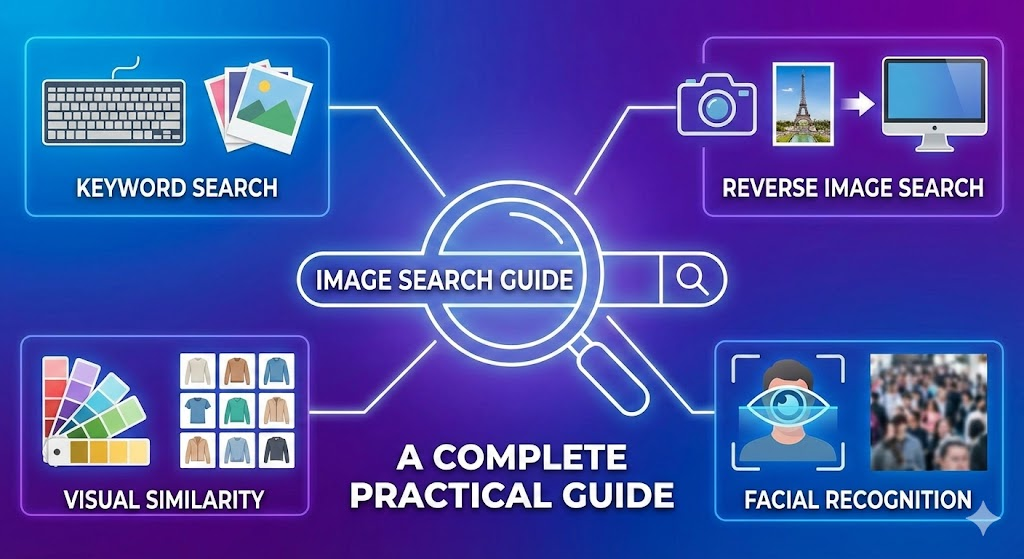
Visual search tools work by “reading” an image much like a human does, but much faster. When you ask yourself, what is depicted in the image above?, a tool like Google Lens breaks the photo into small pieces. It looks for specific markers, such as the curve of a mountain or the logo on a shirt. Then, it compares those markers against billions of other images on the internet to find a match.
This process happens in a blink of an eye. Within seconds, you get a list of results that explain the history of a landmark or where you can buy a specific pair of shoes. It takes the guesswork out of life. You no longer need to know the right words to find an answer; you just need the right picture.
The Connection: Who Makes This Technology?
To understand how we get answers to the question, what is depicted in the image above?, we have to look at the big companies leading the way. These organizations invest billions of dollars into Artificial Intelligence (AI). Below is a table that shows some of the key players in the world of innovation and tech, often featured in Forbes for their massive impact on our daily lives.
Innovation Leadership Profile
| Feature | Details |
| Primary Industry | IT, Software, and AI Services |
| Key Innovation | Visual Computing & Neural Networks |
| Top Platform | Google Lens / Search App |
| Forbes Recognition | America’s Dream Employers (2026) |
| Core Mission | Organizing the world’s information through sight |
| User Reach | Over 3 Billion Android Devices |
Why You Should Care About Image Identification
Identifying objects in photos is more than just a neat trick. It is a way to verify facts and stay safe. For example, if you see a strange berry in the woods, asking what is depicted in the image above? through an app can tell you if it is safe to touch. It provides instant expertise to anyone with a smartphone.
Furthermore, this technology helps with accessibility. People who have trouble reading text can use visual search to hear descriptions of what is in front of them. It makes the world a more inclusive place. By using your camera as a tool for discovery, you are unlocking a new layer of the internet that is built on “seeing” rather than just “typing.”
Step-by-Step: Finding Out What is in a Picture
If you are staring at a file and thinking, what is depicted in the image above?, follow these simple steps to find out. First, open your Google app or Google Photos. Look for the small icon that looks like a colorful camera lens. Tap it, and then select the photo from your gallery or point your camera at the object.
Once you tap the shutter button, the AI begins to scan. It will highlight specific parts of the image it recognizes. You can even tap on different items in the same photo to get different results. It is a very friendly and easy way to navigate the web without ever using a keyboard.
Using Reverse Image Search on Your Computer
You don’t always need a phone to answer the question, what is depicted in the image above?. If you are using a computer, you can use “Reverse Image Search.” Simply go to Google Images and click on the camera icon in the search bar. You can upload a file or paste a link to an image you found online.
This is very helpful for finding the original source of a photo. It can help you spot “fake news” or find a high-resolution version of a picture you love. It is a great way to be a smart digital citizen. By checking the source, you ensure that the information you share with friends is true and accurate.
Identifying Landmarks and Travel Spots
Imagine standing in front of a giant stone building in Europe. You might wonder, what is depicted in the image above? or right in front of me? Visual search uses your GPS and the image to tell you the name of the cathedral, when it was built, and even its opening hours.
This turns every vacation into a guided tour. You don’t need to carry heavy books or hire a guide for every stop. Your phone recognizes the architecture and gives you the “authoritative” history of the site. It makes traveling much more engaging and educational for the whole family.
Shopping Made Easy with Visual Search
Have you ever seen someone wearing a cool jacket and wanted one for yourself? Instead of asking them where they bought it, you can (politely) take a photo. When you ask the app what is depicted in the image above?, it will find similar jackets and show you where to buy them online.
This is called “visual shopping.” It matches colors and textures to find the best price for you. It saves a lot of time because you don’t have to scroll through thousands of items to find that one specific look. It brings the store directly to your screen with just one click.
Learning About Nature and Animals
Children are naturally curious about bugs and birds. When a child asks, what is depicted in the image above?, you can use visual search to give them a real answer. It can identify the species of a butterfly or the breed of a dog in the park.
This encourages kids to explore nature. Instead of just looking, they are learning scientific names and habitats. It builds a sense of wonder and respect for the environment. Plus, it makes you look like a super-smart parent who knows everything about the outdoors!
Translating Text Inside an Image
Sometimes the thing that is depicted is actually words in another language. If you see a sign or a menu you can’t read, visual search can translate it right on top of the image. When you analyze what is depicted in the image above?, the tool swaps the foreign words for your native language.
This is a life-saver for international business or travel. It helps you feel more confident in new places. You can understand warnings, directions, and instructions instantly. It’s one of the most practical uses for AI technology today.
Solving Math Problems with Your Camera
Believe it or not, your camera can even help with homework. If you have a math equation on a piece of paper, you can use visual search to see the solution. When the AI looks at what is depicted in the image above?, it recognizes the numbers and symbols.
It doesn’t just give the answer; it often shows the steps to solve it. This is a great way for students to check their work and learn where they might have made a mistake. It acts like a 24/7 tutor that is always ready to help with a tough problem.
How to Stay Safe While Searching Images
While it is fun to discover what is depicted in the image above?, you should always think about privacy. Be careful not to upload photos that have personal information, like your home address or credit card numbers. Most big companies have strong rules to keep your data safe, but it is always good to be cautious.
Always use official apps from trusted stores. This ensures that your “experience” is safe and that the “trustworthiness” of the results is high. By being careful about what you share, you can enjoy all the benefits of visual search without any worries.
Conclusion: A New Way to See the World
In the end, asking what is depicted in the image above? is the first step toward a bigger world of knowledge. We no longer have to live with the mystery of an unknown object or a nameless flower. Technology has given us a new “set of eyes” that connects us to the vast information of the internet.
Start using these tools today to explore your surroundings. Whether for school, shopping, or just for fun, visual search makes life easier and more exciting. So, the next time you see something interesting, don’t just wonder—take a photo and find out!
Frequently Asked Questions (FAQs)
1. Is visual search free to use?
Yes! Most visual search tools, like Google Lens or Bing Visual Search, are completely free to use on your smartphone or computer.
2. Can I use visual search on an iPhone?
Absolutely. You can download the Google app from the App Store. The Lens feature is built right into the search bar.
3. Does visual search work without the internet?
Usually, no. The app needs to talk to a large database online to figure out what is depicted in the image above? and give you an answer.
4. Can it identify people?
For privacy reasons, most consumer visual search tools do not identify private individuals. They focus on landmarks, products, and public figures.
5. How accurate is the identification?
It is very accurate for common items like brands, famous buildings, and popular plants. It might struggle with very blurry photos or very rare objects.
6. Can I search using a screenshot?
Yes! If you see something on social media, just take a screenshot. You can then upload that screenshot to a visual search tool to identify the items in it.