Henry Joseph
Introduction
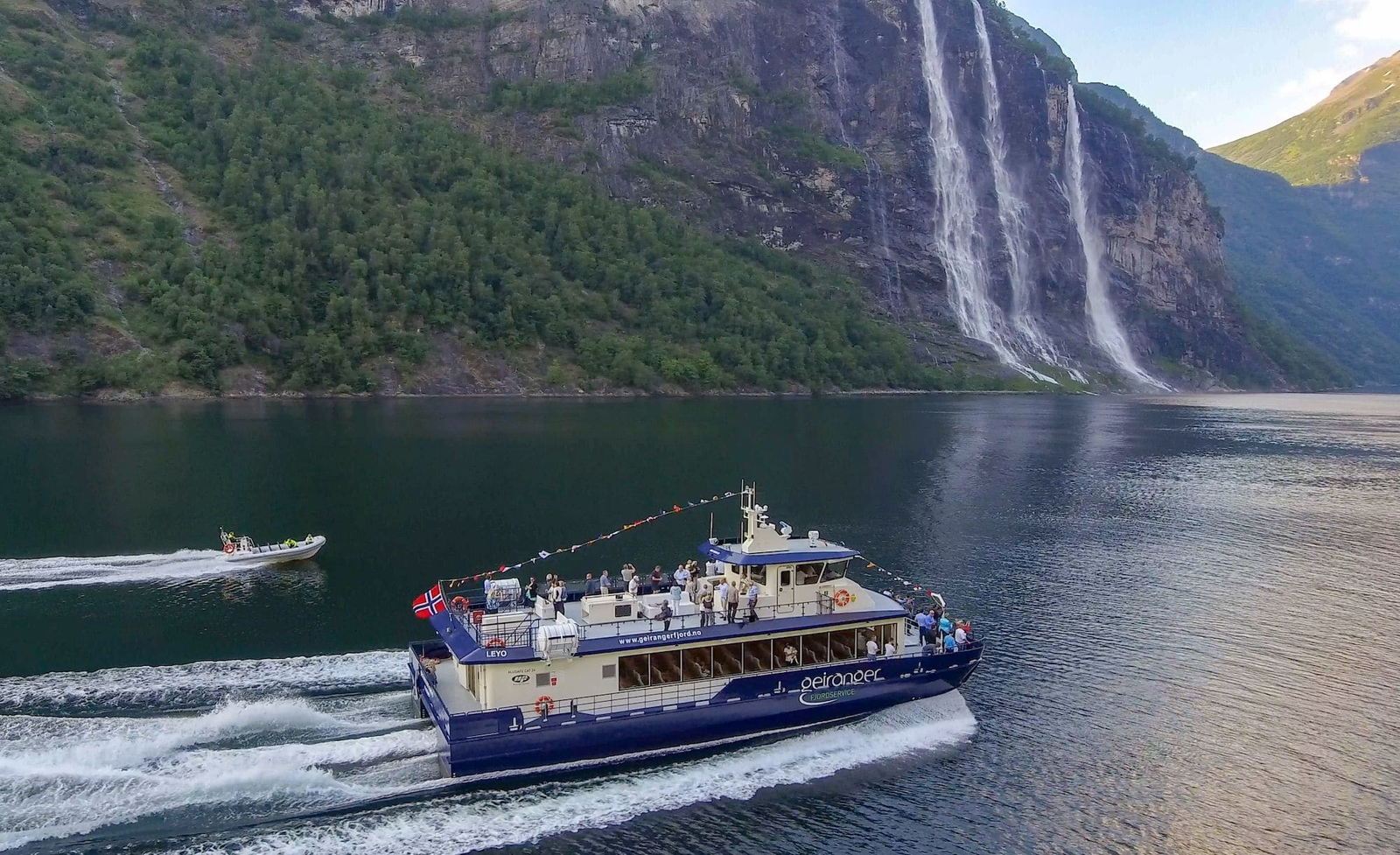
A fjord cruise is a wonderful way to explore Norway’s natural beauty. Instead of viewing mountains from a road, you see them rising directly from the water. Tall cliffs, green valleys, waterfalls, and small villages create amazing views along the journey. The peaceful movement of the boat also makes the trip feel relaxing.
A norwegian fjord cruise can be a short sightseeing trip or part of a longer holiday. Some journeys last several hours, while others connect major towns and villages. Bergen is a popular starting point for many routes. From there, travelers can reach famous places such as Sognefjord, Nærøyfjord, and Flåm. You can also combine your boat journey with trains, hiking, local food, and scenic viewpoints.
Fjord Cruise Quick Facts
| Detail | Information |
|---|---|
| Destination | Norway |
| Main region | Western Norway |
| Popular starting point | Bergen |
| Famous fjords | Sognefjord, Nærøyfjord, Geirangerfjord |
| Popular village | Flåm |
| Main sights | Mountains, waterfalls, villages |
| Cruise types | Short trips, day tours, coastal journeys |
| Best activities | Sightseeing, photography, relaxing |
| Good for | Couples, families, groups, solo travelers |
| Popular season | Spring to autumn |
| Travel tip | Check weather and schedules |
What Makes a Fjord Cruise Special?
The magic of a fjord cruise comes from the landscape around you. Norwegian fjords were shaped by glaciers over thousands of years. Today, deep water runs between steep mountain walls. This creates a dramatic setting that looks even more impressive from a boat.
The journey is also easy to enjoy. You do not need to drive or follow complicated roads. You can sit beside a window, visit the outdoor deck, and watch the scenery change. Waterfalls may appear around one bend, while a quiet village may appear around another. This relaxed style makes a cruise suitable for travelers who want beautiful nature without demanding outdoor activities.
Norwegian Fjord Cruise Routes to Consider
A norwegian fjord cruise can take you through several beautiful areas. Sognefjord is one of the most popular choices. It is Norway’s longest and deepest fjord. Routes from Bergen toward Flåm offer long stretches of mountain and water scenery.
Nærøyfjord is another popular choice. It has narrow sections surrounded by steep mountains. Geirangerfjord is also famous for its waterfalls and dramatic views. Your choice should depend on your available time and travel plans. A short trip can fit into a busy holiday, while a longer route works well for travelers who want a slower experience.
Norway Fjord Cruise: What Can You See?
A norway fjord cruise offers much more than beautiful water. Depending on the route, you may see forests, waterfalls, farms, snow-covered mountains, islands, and small communities. The scenery changes as the boat moves deeper into the fjord.
Nærøyfjord is especially impressive because of its narrow shape. Tall mountains rise closely from both sides of the water. Geirangerfjord is known for famous waterfalls, including the Seven Sisters. Seeing these sights from the water gives you a unique viewpoint. You can enjoy the landscape without climbing steep paths or finding difficult road viewpoints.
Bergen Fjord Cruise Options
A bergen fjord cruise is a convenient option for travelers staying in Bergen. The city is an important base for exploring western Norway. You can choose a short sightseeing trip or a longer journey toward Flåm and the surrounding fjords.
Bergen also works well for a combined itinerary. Spend time exploring the city before taking your boat journey. You can then continue toward Flåm or another destination. Some trips combine buses, boats, trains, and viewpoints. This can help you experience several parts of western Norway during one holiday.
Fjord Cruise Norway Tips for First-Time Visitors
Planning a fjord cruise norway trip is easier when you decide what type of journey you want. Short cruises are useful when you have limited time. Longer trips are better if you want to explore villages and nearby attractions.
Always check where your boat starts and ends. Some cruises return to the starting point, while others are one-way journeys. A one-way trip can be useful if you plan to continue to another town. Check the latest timetable before traveling because seasonal schedules can change.
When Is the Best Time for a Fjord Cruise?
The best time depends on the type of scenery you prefer. Spring brings fresh greenery and strong waterfalls. Summer offers long daylight hours and comfortable conditions for sightseeing. Autumn can provide colorful landscapes and quieter surroundings. Winter gives the fjords a colder and more dramatic appearance.
For first-time visitors, warmer months can make it easier to combine a fjord cruise with outdoor activities. However, summer is also a popular travel period. If you prefer a quieter experience, consider traveling outside the busiest weeks. Weather can change quickly, so always check the forecast before leaving.
What Should You Pack?
Good packing can make your fjord cruise more comfortable. Even on warm days, the water and wind can feel cool. Pack several light layers instead of one heavy item. A waterproof jacket is also useful because rain can arrive quickly.
Comfortable shoes are important if you plan to explore villages after the cruise. A small backpack can hold your phone, camera, water, snacks, and extra clothing. Sunglasses can also help on bright days. Keep your camera ready because beautiful views can appear suddenly as the boat moves around bends.
Should You Visit Flåm?
Flåm is a popular destination in western Norway. The village sits beside the Aurlandsfjord and is surrounded by impressive mountains. It is especially known for the Flåm Railway, which connects the village with the mountain area.
A day trip can combine a Nærøyfjord boat journey with time in Flåm. You can also add the Flåm Railway or a nearby viewpoint. This type of itinerary works well for visitors with limited time. Instead of spending the whole day on one activity, you can experience water, mountains, villages, and railway scenery together.
Nærøyfjord and Geirangerfjord
Nærøyfjord and Geirangerfjord are two of Norway’s most recognized fjord destinations. Both are part of the West Norwegian Fjords UNESCO World Heritage area. Their landscapes include steep mountains, waterfalls, forests, and narrow waterways.
Nærøyfjord is especially known for its narrow passages and tall mountain walls. Geirangerfjord has famous waterfalls and historic farms located high above the water. A boat trip provides a close view of these natural features. The experience can be very different from viewing the same landscape from a road.
How to Plan Your Cruise Budget
The cost of a fjord cruise depends on several factors. These include the route, season, trip length, boat type, and included services. A short sightseeing ride may cost less than a full-day package with transportation and attractions.
When comparing tickets, check exactly what is included. Some packages include buses, trains, guides, or other activities. Others only cover the boat journey. Also check cancellation rules and departure times. If you have another train or flight afterward, leave extra time between connections. A flexible schedule can make your trip much easier.
Tips for Taking Better Photos
A fjord cruise gives you many chances to take beautiful landscape photos. You do not need professional equipment. A modern smartphone can capture excellent pictures when the light is good.
Try including something in the foreground. A boat railing, village, waterfall, or nearby rock can add depth. Keep your camera ready when approaching scenic areas. Reflections can look especially attractive when the water is calm. However, remember to enjoy the view without constantly looking at your screen. Some moments are better experienced than photographed.
Is a Fjord Cruise Good for Families?
Many fjord cruise trips are suitable for families. Children can enjoy watching waterfalls, mountains, boats, and villages without needing difficult physical activity. Indoor seating can also help when the weather becomes cold or rainy.
Families should check the exact trip length before booking. A short cruise may be easier for younger children. Longer journeys can include several buses, boats, trains, and walking sections. Bring snacks, water, warm clothing, and entertainment for children. Checking facilities before departure can also make the journey smoother.
How to Make the Most of Your Cruise
A good fjord cruise experience starts with simple planning. Arrive early at the departure point and keep your booking information easy to access. If your journey includes multiple connections, save the schedule on your phone.
During the trip, move between indoor and outdoor areas when possible. The outdoor deck usually provides the best views, while indoor areas offer shelter from rain and wind. If your boat has a guide, listen to the commentary. Local information can make the scenery more interesting. Most importantly, slow down and enjoy the peaceful surroundings.
Responsible Travel on the Fjords
Norway’s fjord landscapes are valuable natural areas. Travelers should help keep them clean and peaceful. Never leave rubbish behind. Follow local rules when visiting trails, villages, viewpoints, and natural areas.
Respect private homes and farms near the water. Stay on marked paths when hiking. You can also support local communities by eating at local restaurants and buying products from local businesses. Some modern tours use electric vessels, which can help reduce emissions during sightseeing. Responsible choices allow future visitors to enjoy these remarkable landscapes too.
Common Mistakes to Avoid
One common mistake is planning too many activities in one day. Norway may look compact on a map, but travel connections can take time. Give yourself enough time when changing between boats, trains, and buses.
Another mistake is ignoring the weather. Conditions can change quickly, especially around mountains and open water. Bring layers and rain protection regardless of the season. Also check whether your ticket is one-way or return. Understanding your route before departure can prevent transportation problems later.
Final Thoughts
A fjord cruise offers a memorable way to experience Norway’s mountains, waterfalls, villages, and peaceful waterways. Bergen, Flåm, Sognefjord, Nærøyfjord, and Geirangerfjord each provide different experiences.
The right trip depends on your time, budget, and travel style. Some visitors may prefer a short boat trip from Bergen. Others may enjoy a full itinerary with boats, trains, villages, and viewpoints. Plan carefully, check the weather, and leave some room for flexibility. Most importantly, take your time and enjoy the scenery around you.
FAQs
A fjord cruise is a boat journey through Norway’s scenic fjords. Travelers can see mountains, waterfalls, forests, villages, and valleys from the water. Trips can last a few hours or become part of a longer travel itinerary.
2. Is Bergen good for a fjord cruise?
Yes, Bergen is a popular starting point for exploring western Norway. Travelers can choose short sightseeing trips or longer journeys toward Flåm and Sognefjord. The city also has many attractions to enjoy before or after the cruise.
3. Which Norwegian fjords are famous?
Nærøyfjord, Geirangerfjord, and Sognefjord are among the best-known choices. Each offers different scenery, including mountains, waterfalls, villages, and narrow waterways.
4. Can you take a fjord cruise from Bergen to Flåm?
Yes, passenger boat services can connect Bergen and Flåm during operating seasons. The journey provides views of western Norway’s waterways and mountain scenery. Always check the latest timetable before booking.
5. What should I wear on a fjord cruise?
Wear comfortable layers and bring a waterproof jacket. The temperature can feel cooler on the water. Comfortable shoes, sunglasses, and a small backpack are also useful during the trip.
6. Is a fjord cruise worth adding to a Norway trip?
A fjord cruise can be a memorable part of a Norway holiday for travelers who enjoy nature and scenic travel. Boat routes offer views that are difficult to experience from roads. Some journeys can also include villages, trains, viewpoints, and other activities.