Henry Joseph
Introduction
If you use ChatGPT often, you may wonder who owns ChatGPT and who makes the major decisions behind it. ChatGPT is not a separate company owned by one person. It is an AI product developed and operated by OpenAI. OpenAI began as a nonprofit organization in 2015. It later created a for-profit business structure to raise the huge amount of money needed for advanced AI research. Today, OpenAI has a more complex corporate structure. The OpenAI Foundation, a nonprofit organization, controls OpenAI Group PBC, its for-profit public benefit corporation.
This structure can make the simple question harder to answer. Microsoft is a major investor and business partner. Employees and other investors also hold economic interests. However, owning shares and controlling the company are not exactly the same thing. This guide explains who owns ChatGPT, how OpenAI works, and where people such as Sam Altman fit into the picture.
Who Owns ChatGPT?
The simple answer to who owns ChatGPT is OpenAI. ChatGPT is a product created by OpenAI, rather than a standalone company with its own separate owner. OpenAI develops the models, operates the ChatGPT service, and manages the technology behind it. The company launched ChatGPT publicly in November 2022, making advanced conversational AI available to everyday users.
However, saying “OpenAI owns ChatGPT” does not fully explain OpenAI’s ownership. OpenAI has a nonprofit Foundation that controls its for-profit company. The Foundation also owns a significant equity interest in OpenAI Group PBC. This means the organization has both economic ownership and governance responsibilities. Therefore, who owns ChatGPT is best understood by looking at OpenAI’s complete corporate structure rather than naming one individual.
What Is OpenAI?
OpenAI is an artificial intelligence research and technology company founded in 2015. Its original goal was to develop advanced AI in a way that could benefit humanity. The organization started as a nonprofit research lab. As AI research became more expensive, OpenAI needed far more computing power, specialized talent, and investment capital.
In 2019, OpenAI created a for-profit structure under its nonprofit organization. This allowed it to attract investment while keeping the nonprofit in control. The structure later changed again as OpenAI grew into a major AI company. OpenAI announced that its for-profit business would become a Public Benefit Corporation. In 2025, the company completed a recapitalization and established the current structure involving the OpenAI Foundation and OpenAI Group PBC.
Who Controls OpenAI?
When people ask who owns ChatGPT, they often really mean who controls OpenAI. According to OpenAI’s current structure, the OpenAI Foundation controls OpenAI Group PBC. The Foundation is a separate nonprofit organization. It has governance authority over the for-profit company and holds a significant equity stake.
This distinction is important. A company can have several investors while a particular organization retains control. OpenAI designed its structure so the nonprofit Foundation continues to guide the company’s mission. The for-profit business can raise capital and create products. Meanwhile, the Foundation can use its position and resources to pursue charitable goals. This makes OpenAI different from a traditional technology company owned entirely by private shareholders.
Does Microsoft Own ChatGPT?
Microsoft is one of OpenAI’s most important investors and partners. However, Microsoft does not simply own ChatGPT. The relationship is more complicated. In October 2025, OpenAI said Microsoft held an investment in OpenAI Group PBC valued at approximately $135 billion. That represented roughly 27% on an as-converted diluted basis at that time.
Microsoft has also provided major cloud computing resources through Azure. Its partnership with OpenAI has supported the training and deployment of AI models. The companies have continued their partnership into 2026. A February 2026 joint statement said the existing relationship remained in place, including Microsoft’s intellectual property and cloud arrangements. Therefore, Microsoft is a major investor and strategic partner, but it is not the sole owner or controlling organization.
Does Sam Altman Own ChatGPT?
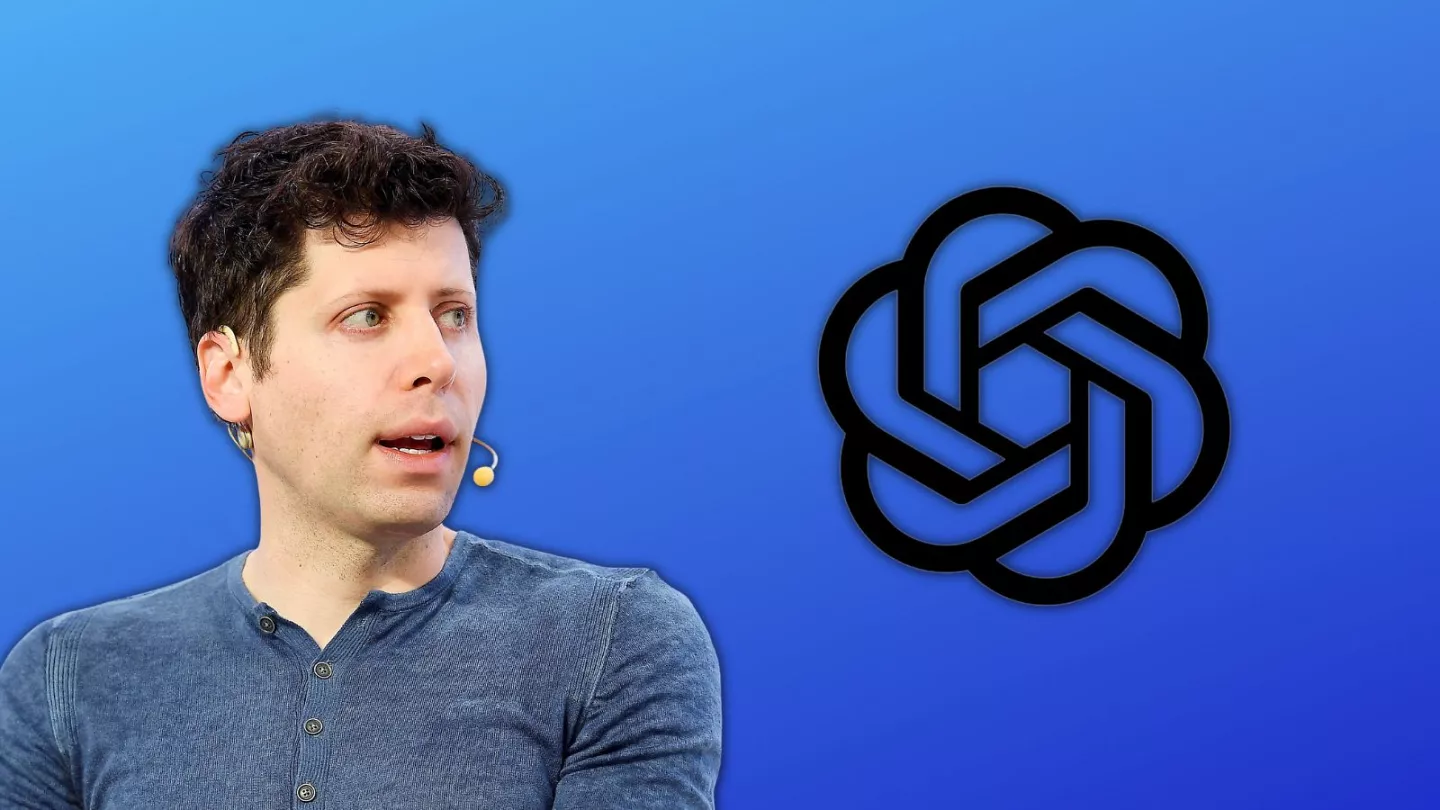
A common question related to who owns ChatGPT is whether Sam Altman personally owns it. Sam Altman is OpenAI’s CEO, but that does not mean he personally owns ChatGPT. Being a company’s chief executive and being its controlling owner are different roles.
OpenAI’s structure gives control to the OpenAI Foundation. The Foundation’s governance role is separate from the position of the CEO. Sam Altman has played a major leadership role at OpenAI and has been closely associated with ChatGPT’s development and growth. However, describing ChatGPT as Sam Altman’s personal company would not accurately reflect OpenAI’s corporate structure.
Who Founded OpenAI?
OpenAI was founded in 2015 by a group of technology and AI researchers and entrepreneurs. The founding group included Sam Altman, Elon Musk, Greg Brockman, Ilya Sutskever, John Schulman, and Wojciech Zaremba, among others. The organization began as a nonprofit AI research lab.
Elon Musk later left OpenAI and is not part of its current governance structure. OpenAI has stated that Musk resigned from its board in February 2018. This history sometimes causes confusion when people search who owns ChatGPT. Founding a company does not necessarily mean someone continues to own or control it years later. OpenAI’s structure and leadership have changed significantly since 2015.
OpenAI Ownership Structure Explained
Understanding who owns ChatGPT becomes easier when you separate ownership from control. OpenAI Group PBC is the for-profit company responsible for business operations. It has shareholders, including the OpenAI Foundation, Microsoft, employees, and other investors. The Foundation holds a significant equity position while also maintaining control over the company.
This arrangement gives OpenAI access to large amounts of private investment. Advanced AI systems require expensive data centers, computer chips, energy, researchers, and engineering teams. A traditional nonprofit funding model would make that difficult to support at the required scale. The current model attempts to combine investment capital with nonprofit governance. It also gives the Foundation a financial interest in the success of OpenAI Group PBC.
OpenAI Ownership and Control Table
Here is a simple overview for readers searching who owns ChatGPT and how the organization works:
| Person or Organization | Role | Connection to OpenAI |
|---|---|---|
| OpenAI Foundation | Nonprofit controller | Controls OpenAI Group PBC |
| OpenAI Group PBC | For-profit company | Runs OpenAI’s business operations |
| Microsoft | Major investor and partner | Holds a significant investment |
| Employees | Shareholders | Hold economic interests in the company |
| Other investors | Shareholders | Provide capital to OpenAI |
| Sam Altman | CEO | Leads OpenAI’s operations |
| Elon Musk | Former founder and board member | No current control of OpenAI |
This table shows why there is no single simple name that answers every version of the ownership question. The Foundation controls the company, while several groups can have financial interests.
Why Did OpenAI Create a For-Profit Company?
OpenAI needed a large amount of capital to develop increasingly powerful AI systems. Training modern AI models requires enormous computing resources. It also requires specialized employees, large data infrastructure, research facilities, and long-term investment. Donations alone were not enough for the scale OpenAI wanted to reach.
In 2019, OpenAI created its for-profit structure while keeping it under nonprofit control. Microsoft became an important investor during this period. OpenAI later moved toward a Public Benefit Corporation structure. This allowed the company to use a more conventional investment model while keeping its broader mission connected to the nonprofit Foundation.
What Is the OpenAI Foundation?
The OpenAI Foundation is the nonprofit organization that controls OpenAI Group PBC. It is designed to support OpenAI’s broader mission while also having its own charitable activities. OpenAI says the Foundation holds significant equity in the for-profit company.
The Foundation is important when researching who owns ChatGPT because it explains why OpenAI cannot be described simply as a company owned by Microsoft or Sam Altman. The Foundation has a special governance role. It also has a financial interest in the success of OpenAI Group PBC. The model connects the company’s commercial growth with resources available for nonprofit activities.
How Is ChatGPT Connected to OpenAI?
ChatGPT is one of OpenAI’s best-known products. It uses OpenAI’s AI models to answer questions, create text, analyze information, help with coding, and perform many other tasks. ChatGPT is therefore part of OpenAI’s broader product and technology ecosystem.
OpenAI launched ChatGPT in 2022. The product quickly became widely used for education, work, research, writing, and everyday tasks. OpenAI has continued developing new models and features since the original launch. This means who owns ChatGPT is ultimately connected to the ownership and governance of OpenAI rather than to a separate ChatGPT corporation.
Does Microsoft Control OpenAI?
Microsoft has a major financial and technology relationship with OpenAI, but the two companies remain separate organizations. OpenAI’s published information says the Foundation controls OpenAI Group PBC. Microsoft’s investment gives it an important economic position, but that is different from controlling the entire organization.
Microsoft also has significant contractual rights involving OpenAI technology and Azure. These agreements make Microsoft an unusually important partner. Still, partnership rights, investment ownership, and corporate control are separate concepts. Understanding this difference helps avoid many misleading explanations about who owns ChatGPT.
Is ChatGPT Owned by Elon Musk?
No. Elon Musk was involved with OpenAI during its early period, but he later left the organization. OpenAI says Musk resigned as co-chair in February 2018. He does not control OpenAI or ChatGPT today.
Musk’s early connection to OpenAI is one reason people sometimes believe he still owns part of the company. However, founding involvement does not automatically create permanent ownership. OpenAI’s corporate structure has changed substantially since its creation. Its current control belongs to the OpenAI Foundation, not Musk.
Why OpenAI’s Ownership Matters
Knowing who owns ChatGPT can help users understand how the company makes major decisions. Ownership affects governance, investment, leadership, business strategy, and long-term priorities. OpenAI’s structure is especially unusual because a nonprofit Foundation controls a large for-profit AI business.
The structure also helps explain OpenAI’s ability to raise billions of dollars while maintaining nonprofit oversight. Investors can receive economic interests in the company. At the same time, the Foundation retains control. This balance is intended to support the company’s growth while keeping its stated mission central. The exact financial interests can change as new funding and corporate transactions occur, so older ownership figures should not automatically be treated as current.
Frequently Asked Questions
Q: Who owns ChatGPT?
A: ChatGPT is owned and operated by OpenAI. OpenAI Group PBC runs the company’s commercial operations, while the OpenAI Foundation controls the for-profit company.
Q: Does Microsoft own ChatGPT?
A: Microsoft does not solely own ChatGPT. It has a major investment and long-term partnership with OpenAI.
Q: Does Sam Altman own ChatGPT?
A: Sam Altman is OpenAI’s CEO. He does not personally own or control ChatGPT as an individual. OpenAI’s Foundation controls the for-profit company.
Q: Who founded OpenAI?
A: OpenAI was founded in 2015 by several technology and AI leaders, including Sam Altman, Elon Musk, Greg Brockman, and Ilya Sutskever.
Q: Is Elon Musk still an owner of OpenAI?
A: Elon Musk left OpenAI’s board in 2018. He does not control OpenAI or ChatGPT today.
Q: Who controls OpenAI today?
A: The OpenAI Foundation controls OpenAI Group PBC. The Foundation also holds a significant equity interest in the for-profit company.
Conclusion
So, who owns ChatGPT? The clearest answer is OpenAI, but the full story involves several layers. ChatGPT is an OpenAI product, while OpenAI Group PBC operates the business. The OpenAI Foundation controls that company and holds a significant financial interest. Microsoft is a major investor and technology partner, while employees and other investors also have economic interests.
Sam Altman leads OpenAI as CEO, but ChatGPT is not his personal property. Elon Musk helped start OpenAI but no longer controls the organization. Understanding these differences gives you a clearer picture of how one of the world’s most recognized AI products is organized. If you use ChatGPT regularly, knowing its ownership structure can also help you better understand the company behind the technology.