Henry Joseph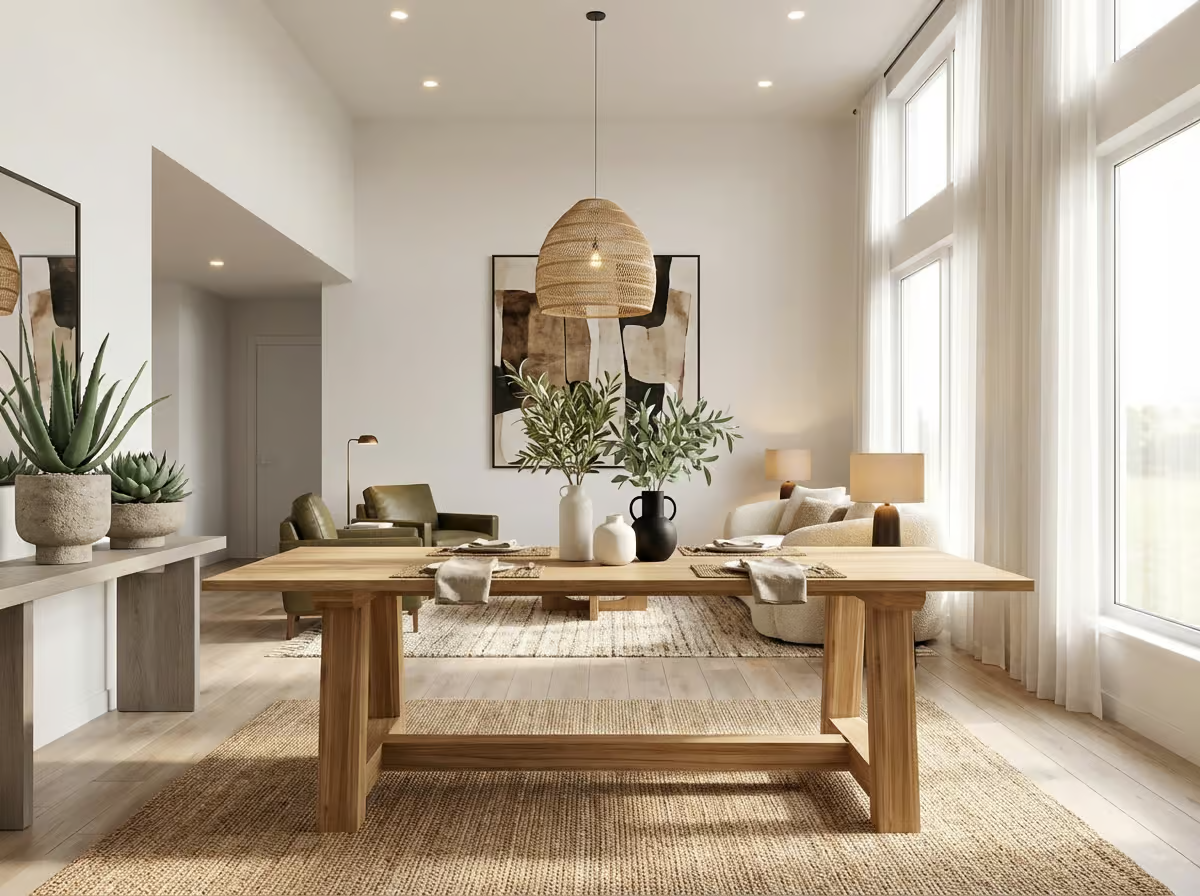
Furniture shapes how a home looks and feels. It also affects how we use natural resources. Many shoppers now want beautiful furniture with a smaller environmental impact. This has increased interest in us sustainable furnitures. Sustainable furniture focuses on durable products, responsible materials, lower waste, and thoughtful production. Popular choices include reclaimed wood, recycled metal, bamboo, natural fibers, and refurbished furniture. These options can bring warmth and character to modern homes. They can also help people think more carefully before replacing household items. Sustainable furniture does not mean every product has zero environmental impact. Instead, it focuses on reducing unnecessary waste and extending product life. This guide explains the main ideas behind sustainable furniture. It also covers materials, benefits, prices, buying tips, care, and future trends.
What Are US Sustainable Furnitures?
Us sustainable furnitures refers to furniture created with environmental responsibility in mind. This idea can cover the full life of a product. It includes material sourcing, manufacturing, packaging, transportation, use, repair, and disposal. A sustainable chair may use recycled materials. A table might use reclaimed timber from an older building. Some products are designed so damaged parts can be replaced. This helps the furniture stay useful for longer. Sustainable furniture also focuses on quality instead of short-term use. Buyers should look beyond simple words such as “green” or “eco.” They should check the actual materials and construction. A strong product with a long lifespan can reduce frequent replacement. The best approach is to consider the entire product rather than one feature.
Why Is Sustainable Furniture Popular?
Interest in us sustainable furnitures continues to grow because shoppers are becoming more aware of waste. Furniture can be large, heavy, and difficult to dispose of. Poor-quality products may need replacement after only a few years. Durable furniture can remain useful much longer. Many people also like the unique appearance of reclaimed wood and natural materials. Sustainable furniture can add texture and personality to a room. Modern designs are available in many styles, including minimalist, rustic, industrial, and traditional. Buyers can therefore choose responsible options without changing their personal taste. Another reason for its popularity is long-term thinking. People are increasingly asking whether an item can be repaired or reused. These questions encourage better buying habits. Sustainable furniture combines practical home design with more thoughtful consumption.
Common Sustainable Furniture Materials
Materials are an important part of us sustainable furnitures. Reclaimed wood is widely used because existing timber receives another purpose. Responsibly sourced wood is another option for furniture makers. Bamboo is also popular because it grows quickly in suitable environments. Recycled metal can be used for furniture frames, tables, and shelves. Recycled plastic is often found in outdoor furniture. Natural fibers such as linen, wool, and cotton can be used for cushions and upholstery. Cork is another interesting material for selected furniture designs. However, buyers should still examine how each material is produced. Natural does not automatically mean sustainable. Manufacturing, transportation, finishing, and product lifespan also matter. Clear product information can help shoppers understand these factors. Good construction is equally important because strong furniture can remain useful for many years.
Reclaimed Wood Furniture
Reclaimed wood gives us sustainable furnitures a distinctive appearance. Old timber can contain natural marks, knots, colors, and interesting grain patterns. These details make every piece feel different. Reclaimed wood may come from older buildings, floors, barns, or other structures. Reusing existing wood can give useful material another life. However, reclaimed timber needs proper preparation before furniture production. It should be cleaned, dried, inspected, and safely treated. Buyers can ask furniture makers about the wood’s origin and preparation. Construction quality should also be checked. Strong joints and stable frames are important for long-term use. Reclaimed wood works well for dining tables, coffee tables, desks, shelves, and cabinets. Its natural appearance can suit both modern and traditional interiors. With proper maintenance, quality reclaimed furniture can remain attractive and useful for years.
Benefits of Sustainable Furniture
There are several reasons people choose us sustainable furnitures. Durability is one important benefit. Well-built furniture may stay functional for many years. Recycled and reclaimed materials can also give existing resources a new purpose. Repairable designs provide another advantage. If a small component breaks, replacing that part may be easier than replacing the entire product. Sustainable furniture can also create attractive interiors. Natural wood, woven materials, and recycled elements offer interesting textures. Some shoppers also prefer products from local workshops. Local production may reduce certain transportation needs, although the complete supply chain still matters. Another benefit is thoughtful consumption. Buying fewer quality pieces can reduce unnecessary clutter. It can also encourage people to consider long-term value. Sustainable furniture is therefore about more than appearance. It connects design, quality, reuse, and responsible purchasing.
Sustainable Furniture for Home Design
Us sustainable furnitures can work with almost any home style. A reclaimed wood table can add warmth to a modern room. Recycled metal shelves can suit an industrial space. Natural fiber chairs can create a relaxed feeling. Sustainable furniture does not need to look old or simple. Designers now create stylish products for apartments, offices, bedrooms, kitchens, and living rooms. Multi-purpose furniture can also support responsible living. For example, a storage bench can provide seating and storage together. A compact desk can serve as both a work area and study space. Choosing flexible furniture can reduce the need for several separate products. Neutral colors and natural textures can also create a calm interior. The main goal is to choose pieces that match your needs. Good design should remain useful even when decorating trends change.
How Is Sustainable Furniture Made?
The manufacturing process is another important part of us sustainable furnitures. Responsible makers may select recycled, reclaimed, or responsibly sourced materials. They can also plan material cuts carefully to reduce production scraps. Some workshops reuse leftover wood for smaller products. Efficient production can reduce unnecessary material use. Finishing methods are worth checking too. Furniture makers may offer water-based or lower-impact finishes. Packaging can also affect the overall product footprint. Recycled cardboard and reduced plastic packaging can help lower waste. However, every manufacturer works differently. Buyers should look for clear information instead of relying only on marketing terms. A company that explains its materials and production methods gives customers more useful details. Sustainability is strongest when material choices, manufacturing, durability, and product care work together.
Is Sustainable Furniture Expensive?
The cost of us sustainable furnitures varies widely. Price depends on materials, size, craftsmanship, design, and manufacturing methods. Handmade reclaimed wood products may cost more because skilled workers create each piece. Mass-produced furniture using recycled materials can have different prices. Sustainable furniture is not automatically expensive. Second-hand and refurbished pieces can be affordable choices. Buyers should also consider long-term value. A durable table may cost more initially but remain useful for many years. Repairable furniture can also reduce replacement costs. However, a high price does not automatically prove that a product is sustainable. Shoppers should examine construction, materials, warranty, repair options, and expected lifespan. Comparing these details gives a clearer picture of value. A good purchase should fit both your budget and your practical needs.
How to Choose Better Furniture
When buying us sustainable furnitures, start with basic questions. What materials are used? Where did they come from? How was the product made? Can broken parts be repaired? How long is the expected product life? These questions can reveal useful information. Look for specific details about recycled content, reclaimed materials, responsible sourcing, and manufacturing. Avoid relying entirely on vague environmental claims. Examine the furniture carefully before buying. Check joints, hardware, surfaces, drawers, and legs. Customer reviews can also provide useful information about durability. A warranty may show that the manufacturer expects the product to last. Second-hand options should also be considered. Buying used furniture can extend an item’s useful life. The goal is not to find a perfect product. Instead, make an informed choice using several useful factors.
Caring for Sustainable Furniture
Good care can help us sustainable furnitures last longer. Always follow the cleaning instructions provided by the manufacturer. Avoid strong cleaners unless they are specifically recommended. Keep wooden furniture away from excessive moisture. Protect surfaces from unnecessary scratches and heavy impacts. Tighten loose screws when needed. Repair small problems before they become serious. Fabric furniture should receive care suitable for its material. Some wooden products may benefit from occasional refinishing. Moving furniture carefully can also protect joints and frames. Good maintenance reduces the need for early replacement. It also protects the money you spent on the product. Simple care habits can make a major difference over time. A sustainable product becomes more useful when owners maintain it properly.
Second-Hand and Refurbished Furniture
Second-hand shopping is another useful part of us sustainable furnitures. Used furniture already exists, so purchasing it can extend its useful life. You can find tables, chairs, cabinets, desks, and shelves through resale stores and local markets. Before buying, inspect the item carefully. Check for structural damage, moisture, insects, loose joints, and broken hardware. Upholstered furniture requires extra attention because cleaning may be difficult. Refurbished furniture can also provide an attractive alternative to buying new items. A professional repair or new finish can give an older piece a fresh appearance. Second-hand furniture may also cost less than new products. Most importantly, reuse keeps useful items in circulation. This approach can combine savings, character, and responsible consumption.
Future of Sustainable Furniture
The future of us sustainable furnitures may include more recycled materials, modular designs, and repairable products. Modular furniture can be changed without replacing the complete item. Replaceable covers and parts can also extend product life. Designers are exploring new materials made from recycled and renewable sources. Better manufacturing technology may help reduce production waste. Some businesses are also developing take-back and refurbishment programs. These programs can give old furniture another useful purpose. Customers may also receive clearer information about materials and production. As shopping habits change, durability and repairability could become more important. Sustainable furniture will likely continue developing across homes and workplaces. The central idea remains simple: make useful furniture, reduce waste, and keep products in use longer.
Sustainable Furniture Profile
| Detail | Information |
|---|---|
| Topic | Us sustainable furnitures |
| Main Focus | Responsible furniture choices |
| Materials | Reclaimed wood, recycled metal, bamboo, natural fibers |
| Styles | Modern, rustic, industrial, minimalist |
| Main Benefit | Longer product use |
| Options | New, used, refurbished, handmade |
| Important Factor | Quality and durability |
| Care | Regular cleaning and timely repairs |
| Suitable For | Homes, offices, and apartments |
| Buying Tip | Check materials and construction |
Conclusion
Choosing us sustainable furnitures can be a practical way to rethink furniture shopping. Focus on quality, durability, repairability, and useful materials. Consider reclaimed, recycled, refurbished, and second-hand options. Ask questions when product information is unclear. You do not need to replace everything in your home. Start with your next furniture purchase and choose carefully. A well-made piece can provide comfort and style for many years. With thoughtful choices, your furniture can support a home that feels beautiful, practical, and responsible.
FAQs
Q1: What are us sustainable furnitures?
Us sustainable furnitures means furniture made with greater attention to materials, durability, waste, and responsible production.
Q2: Is sustainable furniture expensive?
Not always. Prices vary, and second-hand or refurbished furniture can offer affordable choices.
Q3: Is reclaimed wood suitable for furniture?
Yes. Properly prepared reclaimed wood can create strong, attractive, and distinctive furniture.
Q4: How can I identify sustainable furniture?
Check materials, sourcing information, construction quality, repair options, warranty, and expected lifespan.
Q5: Is second-hand furniture sustainable?
Reuse can extend an existing product’s useful life and reduce the need for immediate replacement.
Q6: How can sustainable furniture last longer?
Follow care instructions, clean surfaces correctly, repair small problems, and handle furniture carefully.